
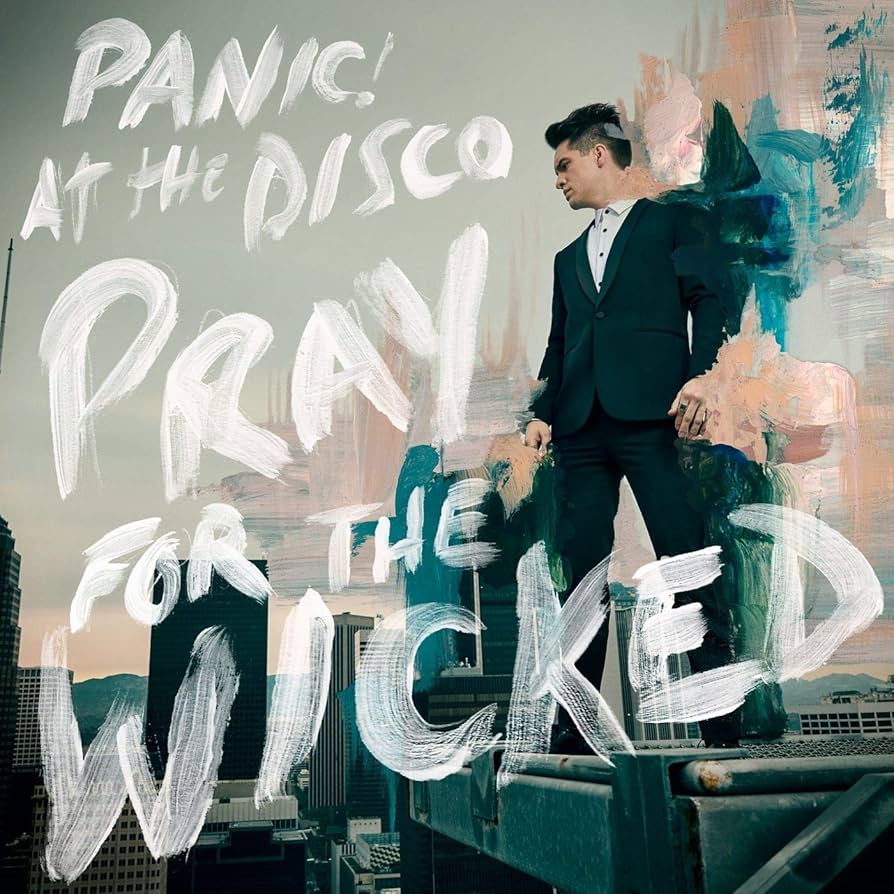
In the intricate tapestry of life, where melodies intertwine with human experience, we find ourselves drawn to the sounds that encapsulate our most profound emotions. Music, in its sublime alchemy, becomes a vessel through which we traverse the realms of joy, sorrow, and introspection. Among these vessels is a striking entity that boldly resonates with the essence of our struggles and triumphs—Panic! at the Disco. Their album, *Pray for the Wicked*, unfolds like a prayer etched upon our hearts, inviting us to reflect on the nuanced dialectics of sin, salvation, and the sacred interplay of sound.
Let us embark upon this exploration with a fervent spirit, seeking to understand how music can be a conduit for our collective yearning for grace. The title of this opus, *Pray for the Wicked*, beckons with a paradoxical charm, for it reminds us that within the shadows of our humanity lie the seeds of redemption. Each track therein serves as a poignant reminder that to acknowledge our flaws is the first step toward spiritual renewal. In this context, we gather to offer our supplications, determined to confront the span of our failings and pursue the light that flickers beguilingly ahead.
In the beginning, the cacophony of life stirs within us—a symphony of desires and regrets. We find ourselves caught in the web of our transgressions, ensnared by the appetites that lead us astray. Yet, even amidst this turmoil, Panic! at the Disco reaches out, inviting us to listen, to feel, and most importantly, to pray.
Prayer, an intimate conversation with the Divine, transcends mere words. It is a heartfelt communication, a channel through which our deepest anguishes are laid bare. Through prayer, we learn to scrutinize our hearts, to gaze upon the brokenness that lies therein. *Pray for the Wicked* implores us to articulate our longings—to seek solace not just for ourselves but for those whom society deems unworthy. The album transforms into a collective lament, echoing in our souls, creating a space for compassion.
Thus, let us delve into the songs, allowing their brilliance to illuminate our path. Each note holds within it a fragment of our lives and a reflection of our trials. As we traverse through these melodies, we find ourselves confronting the very fabric of our existence. The rhythms pulsate like a heartbeat, urging us to recognize our sinfulness—not as a means of despair but as a catalyst for change.
In a quiet moment of contemplation, we turn our hearts upward. “Lord, in our imperfections, grant us clarity,” we whisper, seeking the wisdom to understand the duality of our nature. The shadows may loom large, yet the promise of salvation gleams in the distance. The juxtaposition of sin and salvation resonates through every chorus, kindling in us the hope that transformation is indeed possible. In acknowledging our failures, we create room for grace to flourish, a revelation echoed in the very essence of the album.
Embracing the narrative that unfolds, we glean profound insights into the human condition. The poignancy of these melodies compels us to reflect upon our societal constructs—those we label as “wicked” often embody stories layered with struggle and heartache. In this light, prayer morphs into empathy, urging us to extend our compassion not merely to the innocent but also to those entangled in despair. When we pray for the wicked, we partake in a divine act of grace that transcends judgment.
Let us lift our voices in unison as we kneel before the altar of understanding, recognizing that each soul bears a narrative rife with complexities. Here, within these musical verses, resides a gentle reminder to be both a seeker of and a bearer of forgiveness. “What can we do?” we ponder, as the notes linger in the air, reverberating with a sonic beauty that evokes deep introspection.
As we reflect on the call for salvation, we realize that our journeys, fraught with struggles, are not ours to bear alone. We invoke the spirit of communal prayer—a collective aspiration for healing that reverberates through our relationships and our communities. The songs urge us to cast aside the shackles of isolation and to join hands in fidelity, acknowledging that each human experience contributes to the grand symphony of life.
In prayer, we articulate our intentions. “May we remember the lost, the broken, the wayward, and the hopeful,” we invoke in heartfelt sincerity. We become pilgrims on a sacred quest, navigating the waters of sin, striving for the shores of salvation. The allure of the music becomes intertwined with our supplications, each beat resonating with our hopes and dreams.
Ultimately, as the final notes wane into the quietude, we recognize that the essence of *Pray for the Wicked* transcends its melodies. It calls us to engage with our humanity, to embrace the depth of our struggles and the beauty of our redemption. We stand united, not only in prayer but also in the understanding that together we can illuminate the darkest corners of our hearts.
In conclusion, let this discourse revive in us the spirit of reflection and compassion. As we engage with the music of Panic! at the Disco, may we not only ask for deliverance from our sins but also extend our prayers to all who wander lost. Therein lies the true essence of humanity—a beautiful paradox woven together by sound, sin, and the boundless grace of salvation.