
In the realm of human experience, there are epochs when calamity strikes with ferocity. The specter of plagues—both literal and metaphorical—casts shadows over the hearts of many. These times of turmoil beckon us to turn our gaze upwards, to clasp our hands in fervent supplication. As we embark on a journey through the lessons whispered by history, we find that prayer, profound in its simplicity yet vast in its implications, lies at the heart of our response to such trials.
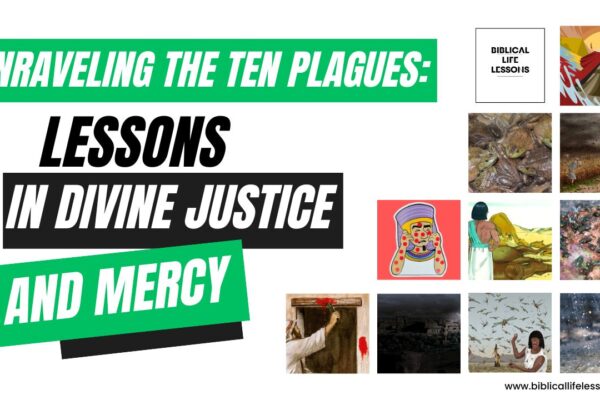
Let us first consider the narratives woven into sacred scripture. The plagues of ancient Egypt stand as a poignant reminder of divine justice and mercy intertwined. They speak to us of the consequences of unrepentant hearts and the urgency of awakening to our spiritual responsibilities. As we recount the cascading disasters — from the rivers turning to blood to the swarms of locusts — we recognize that these aren’t mere tales of yore but are filled with timeless truths. They implore us to seek divine intervention and guidance through prayer.
Indeed, prayer becomes our lifeline—an anchor amidst the storm. It is not simply a recitation of our desires or a list of demands; rather, it is a deep communion with the Creator. In times of crisis, we find solace in the act of laying our burdens before Him, in articulating our fears and hopes with authenticity. “Lord, in this valley of despair, grant us clarity,” we may utter, seeking wisdom in our bewilderment.
Advancing into the heart of the supplicatory act, we delve into the significance of intercession. The prophets of old exemplified this role. Moses, amidst the destruction of the firstborn, remained the voice pleading for mercy. He did not simply stand as a passive observer but fervently sought clemency for a hardened nation. His prayers became a shield; they enveloped both the penitent and the obstinate.
Today, we are called to engage in similar intercessions. As we witness societal upheavals, natural disasters, and personal afflictions, our prayers must soar higher, transcending the individual. “O Lord, hear our cries for those who suffer!”, we beseech, acknowledging the collective pain that binds humanity. We remember our brothers and sisters, even the ones ensnared in the throes of despair, and the very act of praying binds us to them.
Yet, we must be attuned to the nuances of our prayers. In the shadow of suffering, there exists an opportunity for collective introspection. The age-old question arises: “What lessons are we meant to learn through this suffering?” As we lean into prayer, we invite not just relief but revelation. In prayer, we seek a deeper understanding of our roles within our communities, urging hearts to be ignited by compassion and empathy.
As crises unfold, prayer serves as a conduit for divine revelations. The scriptures reveal that every plague ushered forth was accompanied by a call to repentance and renewal. The very act of supplication becomes a mirror reflecting our own fallibilities. If the clouds of grief darken our skies, we must ask ourselves, “In what ways might we reorient our lives toward righteousness?” This examination furthers our relationship with God, transforming our distress into a vibrant quest for alignment with His will.
Moreover, consider the hope that emerges from such chaos. The biblical narrative does not solely dwell on the affliction but illustrates how, through trials, God’s sovereignty shines brightest. As we lift our voices in prayer, let us also embody a spirit of resilience. “Deliver us, O Lord, not merely from our present pain but guide us on paths of healing and restoration,” we might plead. Our prayers become active, igniting movement toward solutions and awakening spirits committed to social justice and peace.
Each moment of prayer unfolds layers of understanding, revealing how suffering can catalyze transformation. With the conclusion of each plague, a chance for renewal arose. The bonds of fellowship deepened as communities banded together to support one another in hardship. Thus, praying is not simply an act of seeking liberation from trials—it is an invitation to foster a spirit of unity and solidarity.
As we delve further into communal prayer, we realize the importance of gratitude intermingled within our requests. It is essential to frame our supplications within the context of thankfulness. Acknowledging the kindnesses, both minute and monumental, serves as a balm for the weary soul. “For the breath that sustains us and the fellowship that uplifts us, we give thanks,” we may declare, creating a foundation of hope amidst despair, a bridge anchored in faith.
In every prayer uttered in the wake of calamity, may we find the courage to uplift others and remain steadfast in our collective journey. The plagues we experience act as vivid reminders to seek divine intervention but also to nurture our interconnectedness. For prayer is communal; it binds us in a shared tapestry of existence.
Thus, as we bow our heads and lift our voices, let us do so with intention, fervor, and love. May our prayers be a beacon, casting light into the dark corners of the world, illuminating pathways toward healing, redemption, and unity. In these fervent supplications, we surrender our scars and sorrows to the One who understands, whose love can heal and restore. Though plagues may come and go, the enduring power of prayer will always remain—a spiritual anchor amidst the tumult of life’s storms.