
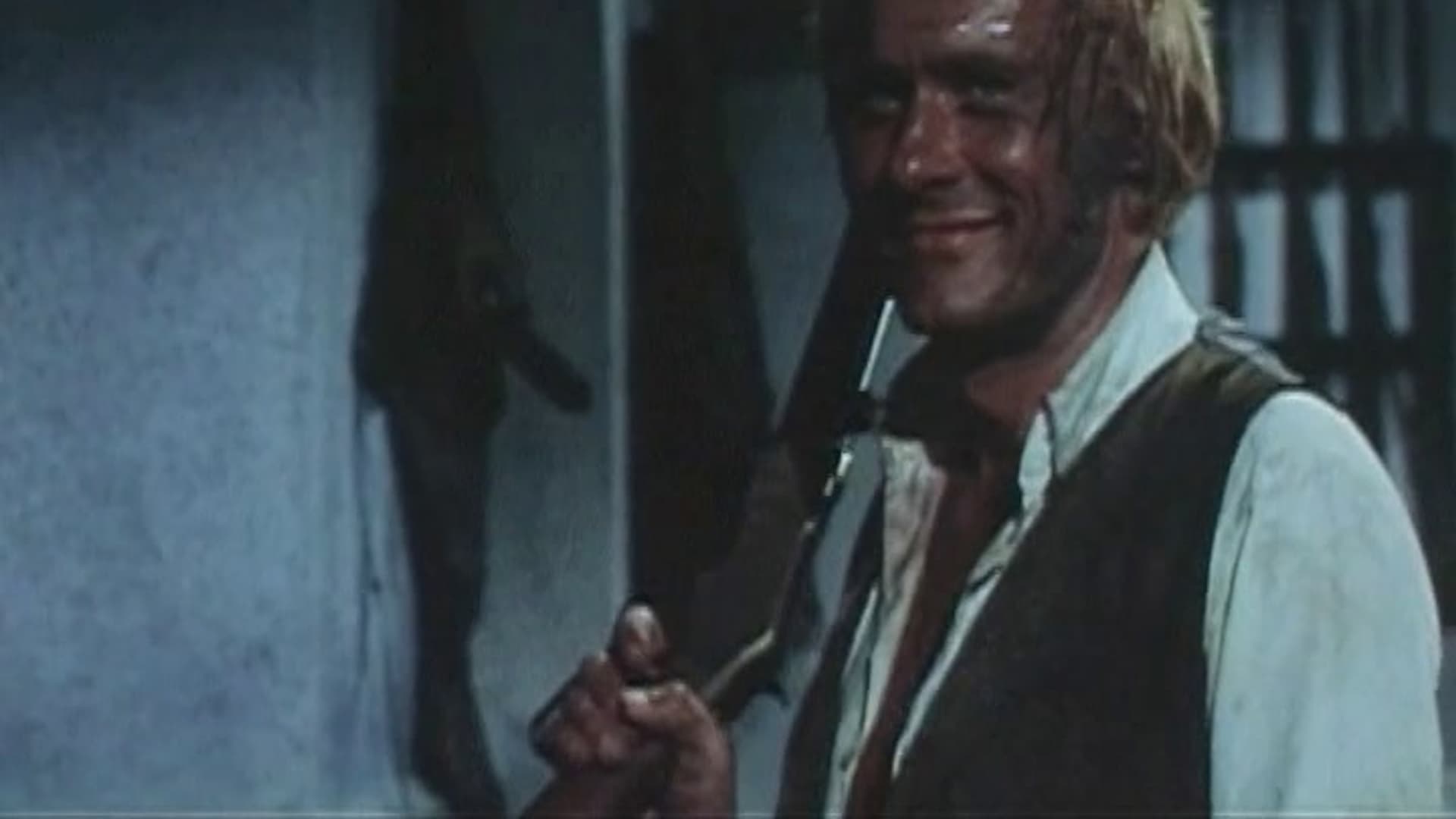
The title “If You Meet Sartana, Pray for Your Death” resonates with an enigmatic allure. It invites the viewer into a world steeped in the dichotomies of life and death, good and evil, and the heavy burden of fate. To ponder this title is to embark on a contemplative journey, probing the depths of our transitory existence and what it means to beseech the divine. It evokes thoughts of surrender, moral complexities, and the gravitas of prayer itself—a lifeline amidst chaos and despair.
At the outset, the invocation of Sartana—a character often adorned in the garb of the quintessential Western antihero—pierces through the veil of Hegelian dialectics. Sartana represents not merely a figure of cinematic folklore but a representation of conflicts arising from the choices faced by humanity. He is a manifestation of the trials one endures when straddling the threshold between righteousness and malevolence. When one meets Sartana, the question looms: are we truly prepared to face the consequences of our actions?
The act of praying invokes a powerful supplication—a reaching towards the divine, a yearning for clarity amid the haze of tumultuous thoughts. It is in this act of prayer that we confront our mortality. The directive to “pray for your death” can be interpreted through numerous lenses: acknowledging the inevitability of our earthly departure, celebrating a life fully lived, or seeking redemption in the face of irreversible choices. This multifaceted interpretation encapsulates the essence of prayer as an intimate dialogue with the eternal.
As we delve deeper, the juxtaposition of ‘Sartana’ and ‘death’ initiates reflections on the fragility of existence. The title beckons us to consider the intangible nature of life—a fleeting spark that is often obscured by the drama of our daily struggles. Much like Sartana himself, we navigate a world that is frequently riddled with conflict, yearning for solace and understanding. In this light, the prayer becomes an earnest entreaty for enlightenment, that we may find peace not only in transitions but also amidst the turmoil of living.
The poetic essence of this title further emphasizes the necessity of prayer. It becomes an act of courage, a bold acknowledgment of our vulnerabilities. To pray is to embrace humility, to recognize that in our encounters with Sartana, be it in film or in life’s metaphoric conflicts, we must not shy away from seeking divine support. In prayer, we unveil our fears, our hopes, and our regrets. We lay bare our souls, asking for strength to navigate the unpredictable labyrinth of existence.
Imagine, for a moment, standing at the precipice of life’s decisions, just as one might face Sartana. With the weight of the world upon our shoulders, we lift our voices in prayer:
O Divine Presence,
In this vast and uncertain expanse,
Grant me the wisdom to discern,
The paths that lie before me—
In choices made and words unspoken.
The act of lifting our spirits in supplication becomes an admission of our shared humanity—flawed yet revered. Within the title’s call lies a reminder of our need for a higher power, a guiding light. For it is through prayer that we anchor ourselves to the divine, seeking forgiveness and understanding, not only from the universe but from ourselves.
In wrestling with mortality, the duality of finding life in prayer while contemplating death emerges as an enchanting paradox. The request to pray for one’s death does not signal despair; rather, it prompts a profound reflection on the legacy we wish to leave behind. Shall we be known for our confrontations with Sartana, or should we strive for a deeper connection with the divine? The answer lies within the choices we make and the prayers we utter.
Parsing through the layers of this contemplative phrase, we come to an essential truth: the power of prayer transcends mere requests. It is an invocation of hope, an anchor in the stormy seas of tribulation. Far from a harbinger of despair, praying for death reminds us to treasure the moments of life, to embrace our journeys in fullness, and to seek reconciliation and grace. Prayer allows us to unearth our desires, unravel our fears, and flourish into the beings we aspire to become.
Turning our thoughts toward the community, the shared struggle binds us, as souls entwined in this mortal coil. As we collectively approach the threshold of Sartana, let us join in prayer for one another. Each whisper and fervent petition rises as a collective tapestry, painting a picture of hope against the stark realities of existence.
May we find solace in uncertainties,
And in prayer, seize the light,
For each encounter with Sartana,
Becomes an opportunity for grace.
In conclusion, “If You Meet Sartana, Pray for Your Death” echoes with the profound significance of each prayer we offered. It exhorts us to confront our fears and embrace the vulnerability inherent in being human. As we engage with the layers of meaning encapsulated within the title, let prayer become our refuge—a vessel through which we seek semblance amid the chaos of living. And perhaps, in this sacred practice, we may find not only enlightenment in our mortality but contentment in the journey of life itself.