
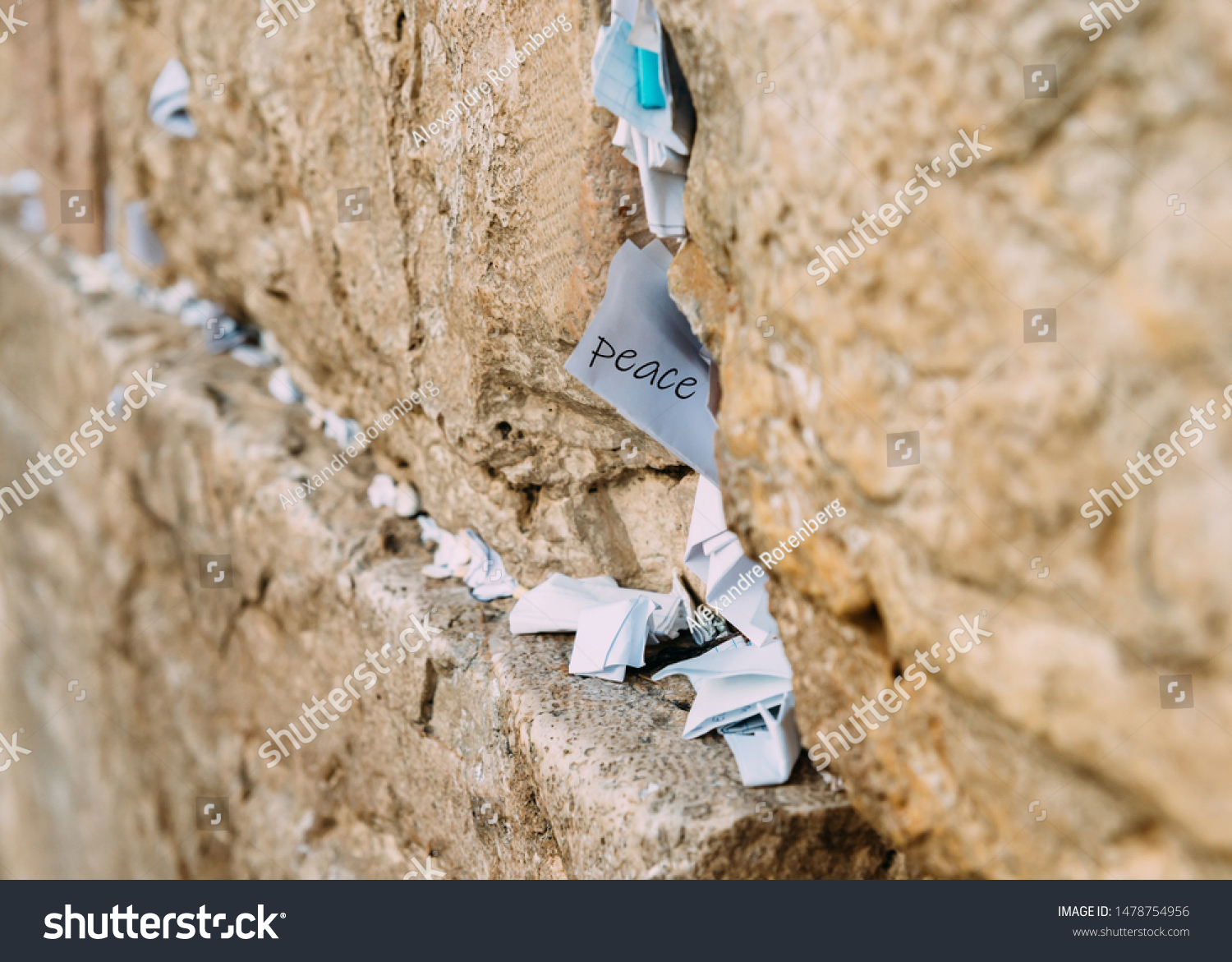
In the hustle and bustle of our daily lives, it is easy to overlook the sanctity of Jerusalem—a city steeped in antiquity, a beacon of hope, and a cradle of faith. The Scriptures invite us to immerse ourselves in prayer for this venerable locale. “Pray for the peace of Jerusalem: they shall prosper that love thee” (Psalm 122:6, KJV) resonates deeply, imploring believers to engage in earnest supplication for this sacred ground and its inhabitants. Let us explore the profundity of this exhortation, recognizing its significance not only for Jerusalem but for our spiritual lives as well.
To pray for the peace of Jerusalem is to weave our hearts with the fabric of divine intercession. Jerusalem stands as a symbol of unity—where diverse cultures and ideologies converge, often tumultuously. Yet, amid this cacophony, there is an undercurrent of divine purpose. The ancient cries for Shalom, or peace, beckon us to reflect on what it means to live in harmony and balance. Praying for peace serves as a reminder that we are not detached observers; rather, we are active participants in a grand narrative that transcends epochs and borders.
Let us first ponder the origins of this divine command. The Psalmist, in his heartfelt plea, beckons us to visualize the city—the Wailing Wall, the Golden Dome, and the echoing shouts of faith that have persisted through millennia. Each stone reverberates with the prayers of those who have sought refuge, redemption, and a return to their promised heritage. Herein lies the essence of the call to prayer: in beseeching peace upon Jerusalem, we acknowledge the deep-rooted longing for reconciliation and healing within not just the city’s walls, but within our very souls.
As we descend deeper into this sacred inquiry, let us unveil why this prayer transcends mere words. Firstly, when we pray for Jerusalem, we invite the Spirit of God to intervene in the discord that permeates the region. It is a call for justice, compassion, and understanding to flourish amid adversity. In a world rife with conflict, our words can become vessels—conductors of grace that transfer our love for peace into palpable action. We become, as it were, architects of hope, intentionally aligning our hearts with God’s vision for His people.
Furthermore, praying for Jerusalem equips our spirits to confront the chaotic elements within our own lives. The city is a metaphor for our inner struggles, our own “walls” beset by division and tumult. Each prayer extolling peace can elucidate our deeper sorrows, our yearnings for closeness with God and one another. We find ourselves navigating the complex landscapes of joy and grief, defending hope against despair—all while seeking alignment with the profound love that God harbors for us and for Jerusalem. As we empathize with the plight of its residents, we cultivate a sense of solidarity that bridges geographical divides.
Consider the implications of this prayer: “they shall prosper that love thee.” This is not merely a conditional promise; it is an assurance that loving Jerusalem equates to fostering prosperity in our own lives. To prosper is to flourish in all dimensions—spiritually, emotionally, and relationally. The peace we pray for will, like ripples in tranquil waters, extend beyond the city’s walls and touch our lives, reminding us of the interconnectedness of all creation.
In this light, let us offer our supplications. O Lord of Hosts, we beseech Thee with humble hearts and contrite spirits. We lift Jerusalem unto Thee—this city so revered, yet so fragmented. We beseech peace for its streets, healing for its broken, and solace for the wandering. Let Thy Divine Light penetrate the shadows of discord and envelop the inhabitants in Thy eternal love. May harmony resound in every corner, echoing the hopes and dreams that rest within each heart. Strengthen those who toil for peace, those who labor with love amidst adversity, and grant them courage beyond measure.
As we continue this sacred discourse, let us remember the profound significance of peace. It is a state of being that transcends mere absence of conflict. True peace elicits justice, initiatives for reconciliation, and pathways for communication. To pray for this peace is to promote comprehensive healing—both physical and spiritual. We implore God to enable dialogue between nations, communities, and families, devoting ourselves to be beacons of this transformative grace.
Moreover, in this modern age, our prayers must be accompanied by the action of our deeds. We are summoned not only to utter words but to embody the essence of peace. Let us extend kindness to those in distress, welcome strangers as friends, and invigorate the weary. In doing so, we mirror the heart of God—whose love knows no bounds—as we intertwine threads of compassion with our fervent prayers.
In conclusion, as we fervently “pray for the peace of Jerusalem,” let us internalize the profound implications of this sacred responsibility. This is a call to action, a summons to live in a manner that honors our shared humanity. With every whisper of prayer, we engage the heavens, cultivating a spirit of peace that rolls forth like a mighty tide. In praying for Jerusalem, we find not only solace but purpose—a divine calling to become agents of harmony in a world that yearns for transformative change. May our hearts be aligned, our voices united, as we beseech Thee, O God, for peace within Jerusalem and for all who call its walls home. Amen.