
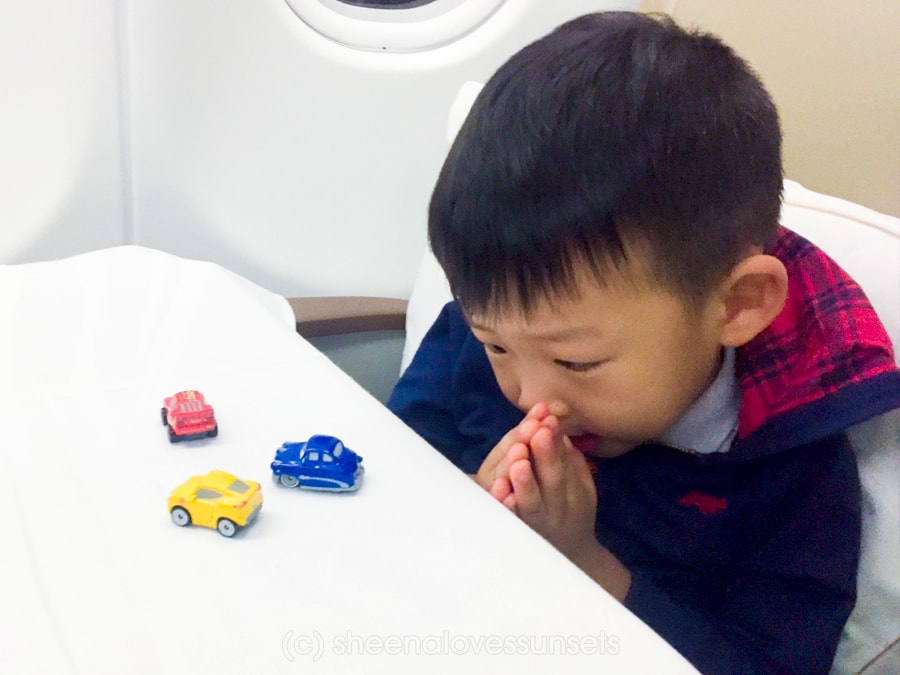
In a world brimming with cacophony, where voices vie for our attention and distractions abound, nurturing a child’s spirit through prayer emerges as a sanctuary of serenity. The clamor of existence can drown out the whispers of the Divine, yet prayer offers a serene refuge. We are called to imbue our little ones with the profound power of prayer, guiding them to discover their own voice amidst the noise.
First, let us contemplate the essence of prayer. It is not merely a practice but a heartfelt dialogue, an intimate communion with the Creator. Within this sacred exchange, children can find solace and strength. It is vital to demonstrate that prayer is not confined to formal settings or specific times. Rather, it can be woven into the fabric of everyday life—before meals, during moments of joy, or even amidst tribulations. To pray is to pause, to reflect, and to connect; it is the heartbeat of faith.
Crafting an atmosphere conducive to prayer is paramount. Begin by cultivating an environment that invites stillness. Designate a tranquil space in your home, adorned with elements that inspire contemplation—a candle’s gentle glow, nature’s melodies, or imagery that resonates with faith. Encourage your children to participate in this sacred space, allowing them to understand that it is a sanctuary of peace, a place where the noise of the world dissipates.
To teach children how to pray, consider using simple, relatable language that resonates with their experiences. Encourage them to express gratitude, share their worries, and rejoice in moments of happiness. Illustrate that prayer can be as spontaneous as a child’s laughter or as solemn as a tear-filled request. Incorporate the beauty of nature; for instance, if you’re outside, let the rustling leaves and chirping birds inspire your discussions of thankfulness. This connection with the world around them can enhance their understanding of a Creator who delights in every detail.
Prayer is profoundly impactful when it emanates from a place of authenticity. Invite your children to articulate their thoughts and emotions freely. Perhaps it is during a bedtime ritual when you whisper, “What is on your heart today?” This gentle prompt can spark a meaningful exchange, allowing them to articulate their dreams, fears, and desires. Model honesty in your own prayers, demonstrating that speaking to God encompasses vulnerability and openness.
Incorporating scripture can also enrich your prayers. Select stories that resonate with children, weaving parables that illustrate the unwavering love and guidance of God. The tales of David’s bravery, Daniel’s faith, or Jesus’ compassion can offer familiar reference points, deepening their connection to the Divine. Through these narratives, children can learn to invoke courage in their prayers, trusting in God’s constant presence.
As you guide them, it is essential to emphasize the power of intercession—the act of praying for others. Teach them to extend their hearts outward, bearing witness to the needs of family, friends, and even those far beyond their immediate view. This practice nurtures empathy and reinforces the idea that prayer can ripple outwards, enveloping the world in love. “Let us pray for our neighbor who is feeling unwell,” you might say. “Together, our voices will rise as a chorus of hope.”
Children thrive on creativity, so appeal to their imaginative spirits. Utilize art in your prayers; encourage them to draw pictures representing their prayers, or engage in crafts that reflect their hopes. A simple piece of paper can become a canvas for their aspirations, each stroke infused with intention. Prayer journals also serve as an excellent vehicle for self-expression. Young minds can jot down their reflections, capturing fleeting thoughts that may otherwise be lost in the din of life.
Moreover, instill in them the invaluable lesson of silence. Encourage them to embrace moments of quietude, where they can listen for God’s voice. This practice of stillness can be a challenge in today’s fast-paced world, but it is crucial for cultivating a discerning heart. Suggest they ask questions silently, and then spend a few moments in stillness, awaiting the gentle whispers of guidance. “What does God want me to know today?” may open a door to inspiration and clarity.
As family, take collective moments to pray together, fostering a sense of unity and shared purpose. When storms of life arise, such as the loss or illness of a loved one, gather in fervent prayer, seeking comfort and understanding together. In those moments, the fabric of your family’s faith is woven tighter, and children learn that they are not alone in facing life’s tempestuous seas.
Ultimately, prayer becomes a lifelong practice that equips children to navigate a complex world. Teach them that each prayer is a thread woven into the tapestry of their existence, and through these threads, they are connected to others and to God. In moments of chaos, let them remember the peace found in prayer—the stillness that transcends noise, the love that binds all hearts, and the faith that carries us through.
So let us pray together: “Heavenly Father, we come before You with hearts open wide, eager to learn the art of prayer. Guide us as we lead our children through this divine dance. Grant them, O Lord, the serenity to hear Your voice in the midst of life’s clamor. Help them to embrace prayer as a friend, a comforting presence in times of joy and sorrow alike. May their hearts brim with compassion, and their words be a lifeline to those in need. We ask for Your blessings to flow through them, illuminating their paths as they learn to carry their own light into the world. Amen.”