
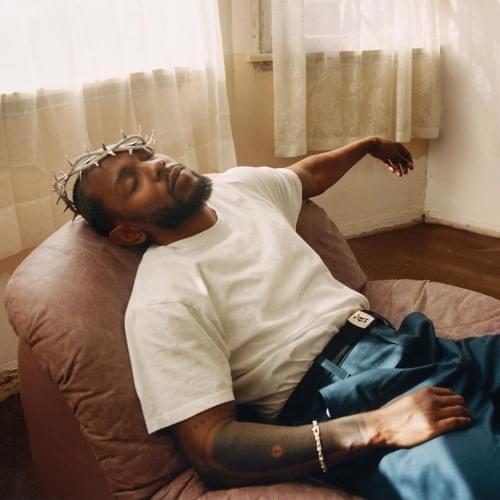
In the vibrant tapestry of contemporary hip-hop, few figures illuminate the contours of faith and vulnerability as profoundly as Kendrick Lamar. A voice for a generation, his lyrics provide a unique lens through which we can reflect on the power of prayer—an invocation of divine grace amidst the turbulence of life. As we delve into this theme, we find ourselves woven into a narrative that transcends personal struggle, touching the hearts of many who grapple with their own trials. In this context, we invite the spirit of prayer into our discourse, seeking solace and strength in the vulnerabilities that resonate within Kendrick’s artistry.
To pray for Kendrick, and by extension, for all who carry the weight of the world upon their shoulders, is to acknowledge the fragility of the human spirit in an era marked by relentless scrutiny. In his songs, Lamar speaks candidly of his fears, his failures, and his hopes, crafting a dialogue that invites us to engage with our own insecurities. When he implores, “Pray for me,” he is not merely seeking sympathy; he is echoing a universal plea for understanding and connection in a dispassionate world. Let our prayers become a collective hymn, resonating with empathy and fortitude, strengthening our bonds as we navigate this complex existence.
The exploration of faith within Kendrick’s work transcends mere lyricism. It invites us into a sanctuary where vulnerability is honored, where the sacred mingles with the profane. In this holy space, we find reflections of our emotions—rage, joy, despair, and hope. Each verse acts as a testament to the struggles that define the human experience, echoing the timeless struggles found in sacred texts. Herein lies the essence of our prayer: to recognize that faith is not a shield against pain but a conduit through which healing flows.
As we contemplate the intertwining of faith and vulnerability, we must also recognize the sanctity of doubt—a theme that reverberates throughout Lamar’s narrative. In moments of crisis, doubt becomes a formidable presence, a shadow that can cloak us in uncertainty. Yet, through prayer, we are reminded that doubt is not antithetical to faith. Rather, it can serve as a catalyst for introspection, leading us to a deeper understanding of our beliefs and an authentic expression of our fears. When Kendrick confesses his struggles, he embodies the essence of true vulnerability, urging us to confront our fears head-on, to lay bare our souls before the Divine, and to seek clarity amidst chaos.
In the pulsating rhythm of urban life, Kendrick’s art resonates as a spiritual anthem, intertwining the sacred and the secular. Each lyric reverberates with the prayerful yearning for redemption and connection. His songs act as modern-day psalms, articulating the pain of existence and the desire for divine intervention. Through his artistry, we are invited to partake in a profound meditation on the human condition—a conscious effort to reflect on our lives and our interactions with the world around us.
Embracing the spirit of prayer in this journey invites us to contemplate the role of community—another poignant theme within Kendrick’s work. There is immense power in collective prayer, as it enmeshes individual struggles within the larger tapestry of communal experiences. When we gather to pray, we create a sacred space where burdens can be shared, and the weight of pain can be distributed among us. Kendrick’s music serves as a reminder that we are not alone, that our individual battles can spark an awakening in others. In offering our supplications not only for ourselves but for one another, we cultivate a spirit of compassion and resilience that fortifies our communities.
As we engage in prayer for Kendrick and for all who find themselves wrestling with life’s profound questions, let us invoke the power of positive intention. Prayer becomes an act of creation, an acknowledgment of our desires for healing and wholeness, not just for ourselves, but for humanity at large. In Kendrick’s narratives of struggle and triumph, we catch glimpses of hope flickering beneath the surface—hope that transcends the chaos and beckons us toward transformation. It is an invitation to participate in a larger divine narrative, one that calls us to act with love and understanding toward ourselves and our fellow beings.
Finally, let us remember that in the act of praying for Kendrick, we are, in essence, praying for the many who grapple with similar battles. We become stewards of compassion, weaving together the strands of faith and vulnerability into a powerful testament of resilience. May our prayers be a balm for wounds, a light in the darkness, and a song of hope echoing through the corridors of our lives. As we join in this sacred act, let us be reminded of the strength found in vulnerability, the power of faith to transcend adversity, and the profound beauty of collective support, wrapping ourselves in the warmth of our shared humanity.
In conclusion, let the refrain of “Pray for me” resonate deep within our souls, igniting our spirits to lift each other up in prayer. As we continue to navigate the complexities of life, let us do so with a heart full of compassion, celebrating the divine essence that connects us all. May Kendrick Lamar’s journey inspire our own, guiding us towards an authentic expression of faith, vulnerability, and communal love.