
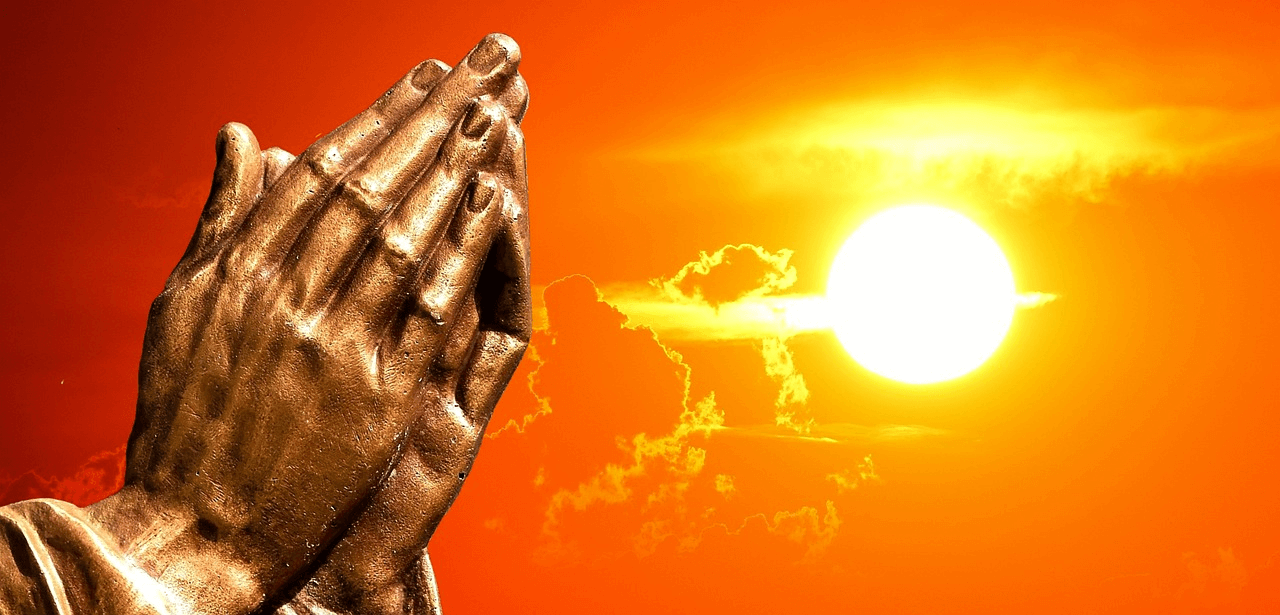
In the quiet sanctum of our souls, where faith deepens like roots wrapped around ageless trees, we find ourselves grappling with the eternal cycle of life, death, and that hallowed in-between—purgatory. Here, in this shadowy realm of revelation and transformation, souls await their destined embrace with the Creator. It is in this space that our prayers ascend like fragrant incense, an offering of hope and solace for those who traverse the path toward divine mercy.
To understand the significance of praying for the souls in purgatory, we must first ponder the sacred tapestry woven by faith, mercy, and tradition. Purgatory, as understood within Christian doctrine, is not merely a place; it is a profound expression of God’s unfathomable mercy. It is the gentle caressing of a loving hand, guiding souls to purification—a divine assurance that no soul is irredeemable. This belief, steeped in the rich tradition of the Catholic Church, reminds us that even in moments of transgression, the flicker of hope illuminates our way.
As the sun rises each day, the dawn brings forth a reminder of our interconnectedness—between the living and the departed. We, the faithful, have been gifted with the holy endeavor of intercession. In our prayers, we become the bridge that connects the realm of the living with that of the spirits yearning for sanctity. Through our remembrance and supplication, we embolden these souls, empowering them on their arduous journey towards divine grace.
To every prayer we utter, whether whispered in the stillness of the night or extolled in congregational hymn, we enact a ritual of love. We implore the Almighty to extend his arms wide, embracing those in purgatory with the crimson thread of forgiveness. Imagine, if you will, a luminous tapestry unfurling, where each thread represents a prayer offered on behalf of those souls; the weaver of this masterpiece is faith, the purpose—mercy.
Consider, then, the significance of our collective memory. Each soul in purgatory bears witness to the trials and tribulations of life—a reflection of our own struggles. Their experiences resonate within us, igniting a fervent desire to advocate for their deliverance. To pray for the souls in purgatory is to acknowledge the profound mystery of human existence, realizing that we are all on a continuum of sanctification, striving towards the light of God’s love.
In the words of Saint Augustine, “The function of prayer is not to influence God, but rather to change the nature of the one who prays.” This clarion call invites us to delve deeper into the essence of prayer—not merely as an act of asking, but as an exercise of transformation. Each heartfelt plea becomes an act of solidarity, inviting empathy into the narrative of purgatory. As we share in their suffering, we recognize our own frailty, and it is in this shared vulnerability that we find strength.
As we gather in faith, let us remember the souls ensnared in the passages of purification. Let our hearts be emboldened with love and compassion as we recite this poignant prayer:
O God of infinite mercy, we beseech You,
To embrace the souls longing for Your grace.
In purgatory’s tender embrace, they journey—
With every prayer, may they ascend with ease.
Lord, we lift our voices on their behalf,
In unity, we seek their divine release.
May Your light shine on them ever bright,
Guiding them home, infusing peace and delight.
In Your profound goodness, may they find solace,
As they traverse through the fires of love,
Preparing them for eternal joy in Heaven,
In Your sacred presence, forever above.
This prayer, simple yet profound, encapsulates the essence of our hope—a hope that flows from the heart of Christ, the very embodiment of mercy. Each syllable, each note of devotion, cascades into the heavenly spheres, echoing the Gospel’s promise of redemption. The souls, though shrouded in the shadow of purgatory, are not abandoned; they are cradled in the hands of a loving God who sees their inherent worth.
And as we commune with the eternal, our understanding of faith matures—a living testament to the strength we derive from tradition and practice. An understanding, perhaps, that the souls in purgatory can also pray for us—interceding on our behalf as we traverse our earthly pilgrimage. In their yearning for sanctity, they become our unfading advocates, joining us in the sacred dance of divine grace.
Let this understanding mature within our spirits as we continue to cultivate compassion and empathy—a reminder that our prayers are not just a fleeting gesture, but an ever-echoing lifeline. As long as we breathe, as long as our hearts resonate with the rhythm of love, we shall not cease to pray for the souls in purgatory. For in praying, we breathe life into hope; in hope, we immerse ourselves in faith. Thus, as dawn unfolds into day, let our prayers be the light that guides lost souls homeward, into the embrace of the eternal.